Closure of the Strait of Hormuz sends fertilizer prices soaring and raises fears of higher food costs worldwide
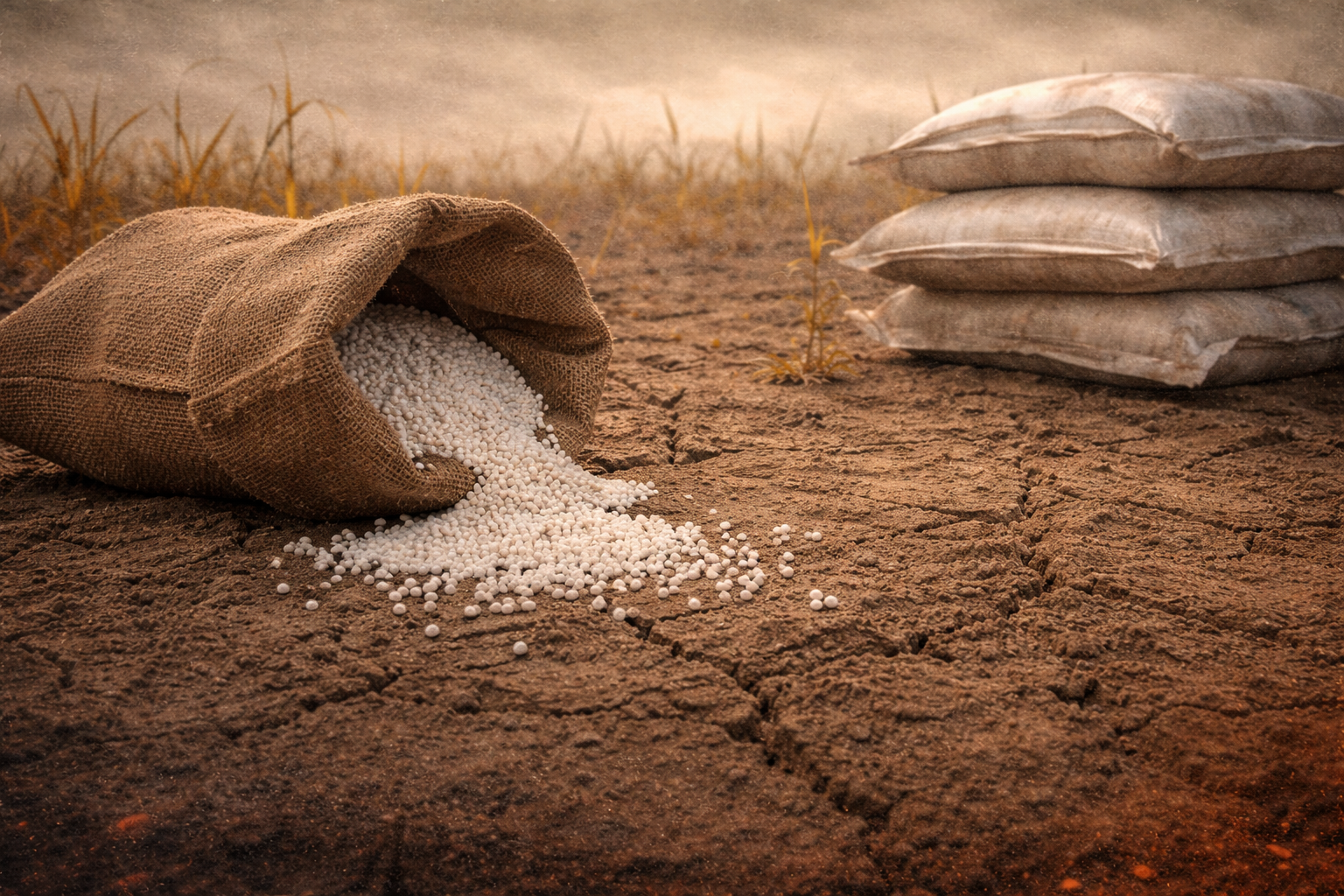
A growing global shortage of fertilizer is emerging as one of the most serious economic consequences of the ongoing war in Iran, with governments, farmers and food producers warning that supply disruptions could drive up food prices in the coming months.
The crisis has intensified after the closure of the Strait of Hormuz, a narrow shipping route that links the Persian Gulf to the Arabian Sea. The waterway is a vital artery for global trade and normally carries a large share of the world’s fertilizer exports, including urea, ammonia and phosphate.
Industry analysts estimate that nearly one-third of the world’s fertilizer trade passes through the Strait of Hormuz. Major exporters such as Saudi Arabia, Qatar, the United Arab Emirates and Oman have all been affected by the disruption.
As shipments slow and freight costs rise, fertilizer prices have climbed sharply across global markets. Urea prices have jumped by more than 25 percent in several regions since the conflict escalated earlier this month, while ammonia and phosphate prices have also recorded double digit increases.
The shortage comes at a particularly difficult time for farmers in Asia, Europe and North America, where planting seasons are underway or about to begin. Agricultural groups warn that many farmers may be forced to reduce fertilizer use, delay planting or switch to crops that require fewer nutrients.
In Asia, authorities have begun searching for alternative suppliers after concerns that existing stocks may not be enough to meet demand through the summer planting season. Governments are now seeking additional imports from Russia, Morocco and Canada in an effort to avoid a domestic shortage.
European countries are also facing mounting pressure. Fertilizer producers across the continent are struggling with rising natural gas prices, which have increased production costs. Several companies have already paused new orders or warned customers about delays.
Farmers in the United States say the crisis could significantly increase operating costs. Some growers report that fertilizer bills for the 2026 season may rise by as much as 40 percent compared with last year. Corn and wheat producers are expected to be among the hardest hit because their crops depend heavily on nitrogen based fertilizers.
Experts say the impact of the fertilizer shortage may extend far beyond farms. Reduced fertilizer use could lower crop yields later this year, creating tighter supplies of wheat, corn, rice and other staple foods. That, in turn, may push food prices higher and worsen inflation.
International agencies have warned that poorer countries are especially vulnerable because they rely heavily on imported fertilizer and already face pressure from high fuel prices and climate related crop losses.
“If the disruption continues for several more weeks, the world could face not only an energy crisis, but also a food security crisis,” one agricultural market analyst said.
Governments are now racing to secure emergency fertilizer supplies and stabilize shipping routes. However, analysts warn that unless the conflict eases and traffic through the Strait of Hormuz resumes, shortages may continue throughout the year.