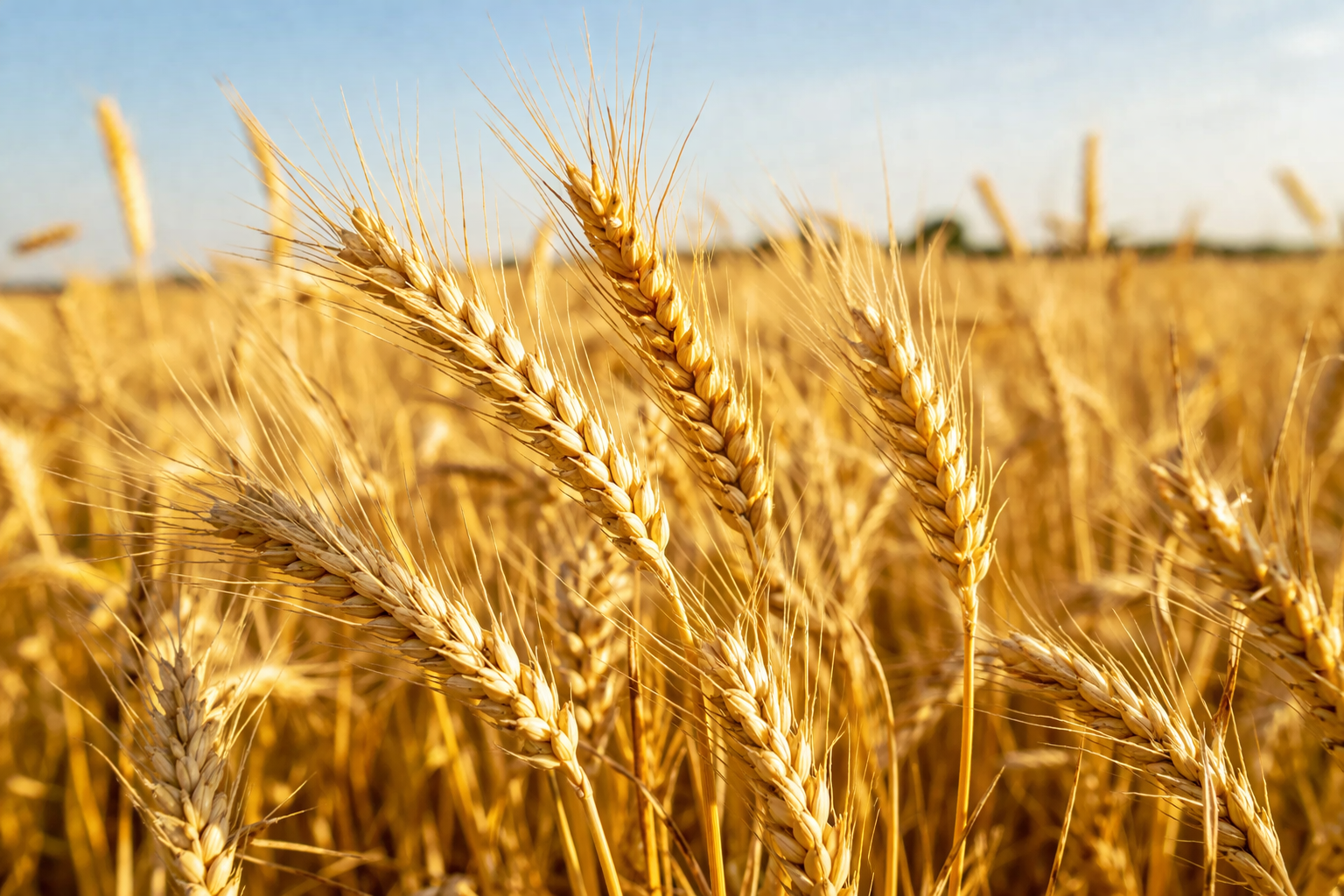
Government sets benchmark price of Rs3,500 per 40kg as provinces prepare for 2026 harvest
Pakistan has introduced a new wheat procurement policy for the 2026 harvest, marking a major shift from direct government purchases to a system led largely by the private sector.
Under the new arrangement, the federal government has fixed an indicative wheat procurement price of Rs3,500 per 40 kilograms. Provinces have been directed to use the benchmark while arranging procurement during the upcoming harvest season.
The policy is expected to remain in place for one year while authorities prepare a broader National Wheat Policy for 2026–2030 aimed at improving transparency, digital monitoring and long term food security.
Punjab, Khyber Pakhtunkhwa and Balochistan will now depend mainly on private companies and grain aggregators to buy wheat from farmers, store stocks and maintain strategic reserves. Sindh, however, will continue using its existing public sector procurement system.
Punjab has taken the biggest step by ending direct government wheat purchases. Instead, licensed private firms will purchase wheat from growers at the official benchmark price.
Provincial officials say the new model is intended to reduce the financial burden on the government, cut storage costs and encourage competition in the wheat market.
Under the Punjab plan, the province aims to build strategic wheat reserves of 3 million metric tonnes. Of this, 2.5 million tonnes will be procured and stored by private companies, while the remaining 500,000 tonnes may be arranged through government to government agreements if needed.
At the national level, Pakistan plans to maintain wheat reserves of around 6.2 million tonnes to ensure food security and stabilize prices.
The government has also removed restrictions on transporting wheat between provinces, a move officials say will help improve supply and prevent shortages in some regions.
Farmers have reacted cautiously to the policy. Some growers fear private buyers may not always pay the full benchmark price, particularly in remote areas where competition is limited. Others believe private procurement could speed up payments and reduce delays often associated with government purchasing centers.
Agricultural economists say the success of the new policy will depend on strong oversight, transparent monitoring and enforcement of the official support price.
“The shift could modernize Pakistan’s wheat market, but only if the government ensures that farmers are protected and private firms are properly regulated,” one agricultural analyst said.
Officials say further details of the long-term National Wheat Policy will be announced later this year.